Heavy Equipment Moving: What to Know Before Scheduling Transport

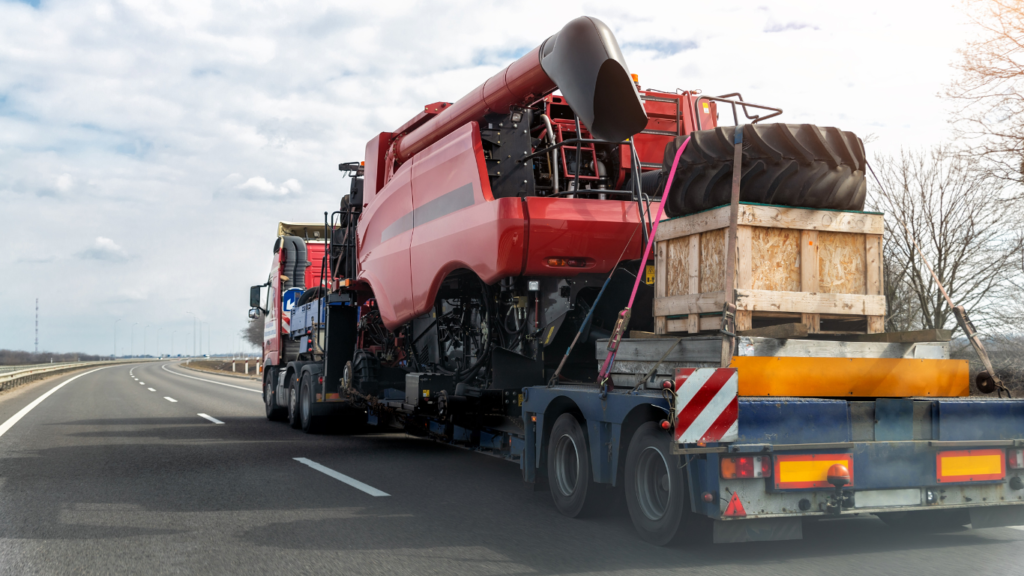
Moving large machinery is not as simple as calling for a truck and choosing a pickup time. Heavy equipment often comes with special size, weight, access, safety, and permitting requirements. Whether you are moving a bulldozer, excavator, loader, tractor, forklift, or oversized machine, planning can make the process smoother.
At Osage Specialized Transport, heavy equipment moving starts with understanding the equipment, the route, and the jobsite details. The more accurate information you have upfront, the easier it is to match the load with the right trailer, timeline, and transport plan.
Start With Accurate Measurements
One of the first steps in heavy equipment moving is gathering the correct dimensions. Know the machine’s length, width, height, and weight. These numbers help determine whether the load is oversized, what type of trailer may be needed, and whether special permits or route planning will be required.
Manufacturer specs are helpful, but the actual transport dimensions may change once attachments, buckets, blades, tires, tracks, or accessories are included. If an attachment can be removed for transport, that may affect the overall size and trailer choice.
Know the Equipment Weight

Weight is just as important as size. Heavy equipment moving requires attention to total weight, axle weight, trailer capacity, and legal road limits. A machine that is too heavy for a standard trailer may require a specialized hauling solution. In some cases, permits or escorts may also be needed depending on the load and the states involved.
Before scheduling transport, confirm the operating weight of the machine and note whether any attachments will travel with it. Clear weight information helps the transport team plan for safety, compliance, and proper load securement.
Review Pickup and Drop-Off Access
A good heavy equipment moving project depends on more than the road between two points. Pickup and delivery sites matter too. Before scheduling, think through how the truck will enter, load, unload, and exit the property.
Consider whether there is room for the truck and trailer, whether the ground is stable, whether there are low trees or power lines, and whether the equipment can be driven onto the trailer. If the jobsite is active, muddy, crowded, or still under construction, the transport plan may need extra coordination.
Understand Permit Requirements
Some heavy equipment moving jobs require permits because the load exceeds legal height, width, length, or weight limits. Permit rules can vary by state, route, and load type. Oversized or overweight equipment may also require approved travel routes, time-of-day restrictions, pilot cars, or additional safety steps.
This is one reason it helps to work with a transport company that understands specialized hauling. Permits help protect the equipment, driver, public, and schedule.
Choose the Right Trailer Type
The trailer used for heavy equipment moving depends on the machine’s size, weight, height, and loading requirements. Common options may include flatbeds, step decks, lowboys, RGNs, stretch trailers, or other specialized configurations.
For example, a tall piece of machinery may need a lower deck height to stay within route limits. A machine that cannot easily be lifted may need a removable gooseneck trailer for easier loading. Move it safely, legally, and efficiently.
Plan Around Timelines
Heavy equipment moving can involve more scheduling details than standard freight. Permits may take time. Routes may need review. Escorts may need to be arranged. Weather, site readiness, construction schedules, and delivery windows can all affect timing.
If your project has a hard deadline, communicate that early. A transport team can help identify what information is needed, what could slow the move down, and what needs to happen before pickup.
Prep the Equipment Before Pickup
Before the truck arrives, the equipment should be ready to load. The Federal Motor Carrier Safety Administration explains, “Requirements concerning securement, working load limits, blocking and bracing are applicable to all commodities being transported.” That is why preparation matters before pickup. Remove loose parts, secure doors or panels, check for leaks, and make sure the machine can be started or moved if needed. If attachments are traveling separately, label them clearly and confirm how they will be loaded.
Move With Confidence With Osage
Heavy equipment moving is easier when the details are handled before the transport date. Measurements, weight, access, permits, trailer type, timelines, and site prep all play a role in a successful move. When those pieces are reviewed early, there is less room for delays, surprises, or avoidable complications.
Osage Specialized Transport helps customers plan heavy equipment moving with the experience and coordination these loads require. From construction machinery to oversized equipment, our team can help evaluate the transport needs and build a plan that supports a safe, organized move.